Every week someone asks which language to learn first, as if the answer were hidden. In practice the language matters far less than the goal, the schedule and whether you finish something. Beginners who ship three small projects in one language outperform beginners who collect certificates in five.
Pick a Goal Before a Language
Write down what you want to build or do. A personal website, a small automation for your job, a mobile app, a career change into backend development. Each goal points to a different starting stack, and choosing one removes months of indecision.
For websites and general web work, JavaScript plus HTML and CSS is still the widest door in 2026. For data and automation, Python remains the most forgiving. For mobile, choose the platform your users actually own, or a cross-platform framework if you need both. Once you pick, stop reading comparison articles for six months. The comparison is a way of feeling productive without writing code.
The Three Skills That Transfer
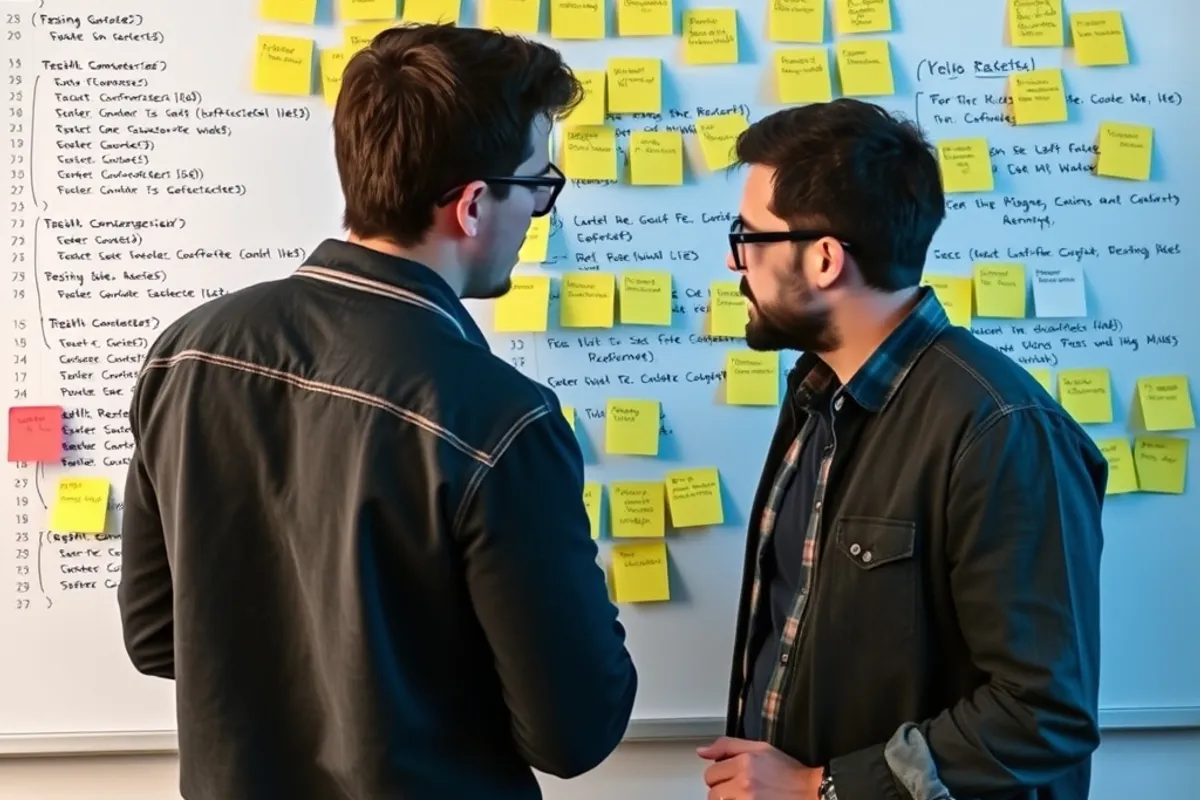
Syntax is the part that changes. Three skills survive every language switch. The first is decomposition: breaking a vague problem into steps small enough to test. The second is debugging: forming a hypothesis, checking evidence, and narrowing the failure. The third is reading documentation instead of waiting for a tutorial to cover your exact case.
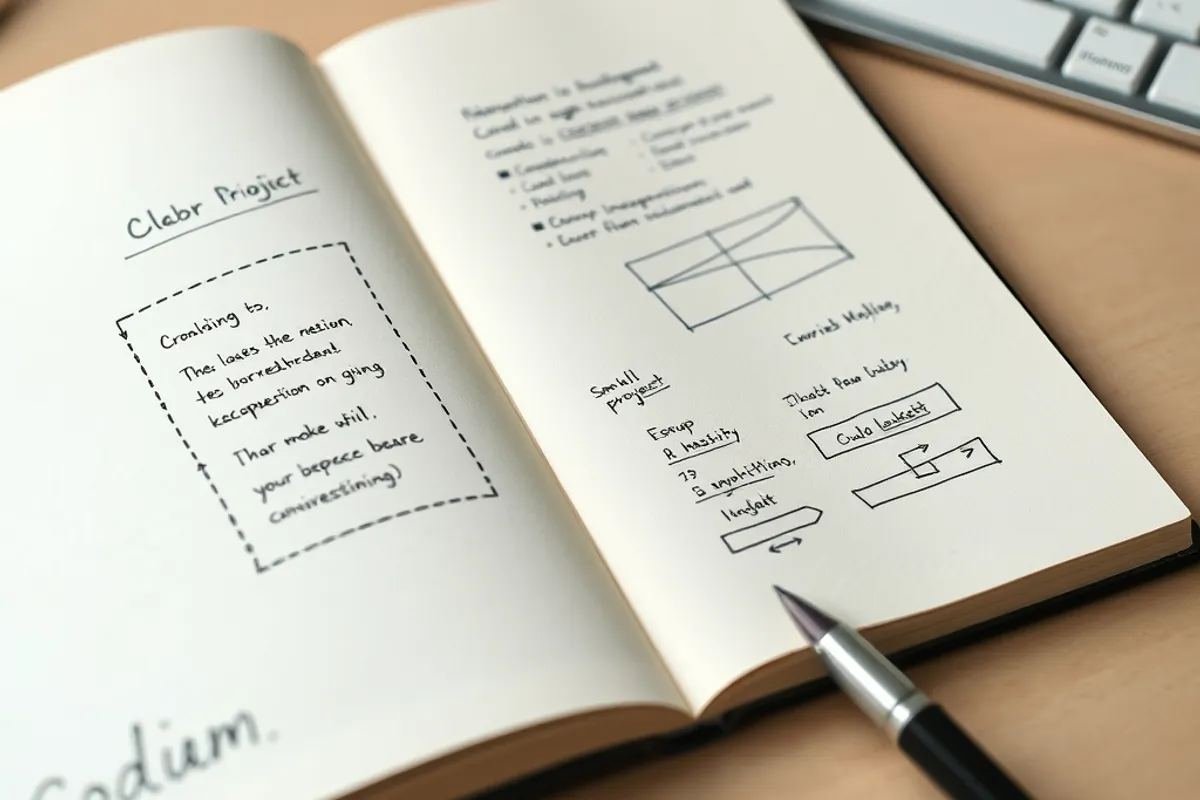
Practise these deliberately. When a tutorial works, close it and rebuild the same thing from memory. When something breaks, write down what you expected, what happened and what you changed. That log becomes the most valuable file on your machine, because it turns confusion into a repeatable process.
A Study Schedule That Survives Real Life
Six hours a week beats twenty hours for two weeks followed by nothing. Block three sessions of two hours, and protect them like meetings. Start each session by reopening yesterday's code and running it. End each session by writing one sentence about what you will do next, so the next session starts without negotiation.
Expect a plateau around week six, when the beginner excitement fades and the problems get less tidy. That is normal. Reduce scope rather than quitting: finish a smaller version of the project, then return to the hard part with fresh eyes. Consistency is a technical skill, not a personality trait.
- Six to eight hours per week for six months is a realistic beginner pace
- One language, one editor, one tutorial source at a time
- Ship a small project every four to six weeks
- Keep a debugging log from day one
- Schedule a rest week every eight weeks to avoid burnout
Projects Beat Tutorials
Tutorials teach recognition. Projects teach production. The gap between them is where most beginners stall, because a project has no next button and no expected output. Choose projects that are slightly too big, then cut them down until they are finishable in two weekends.
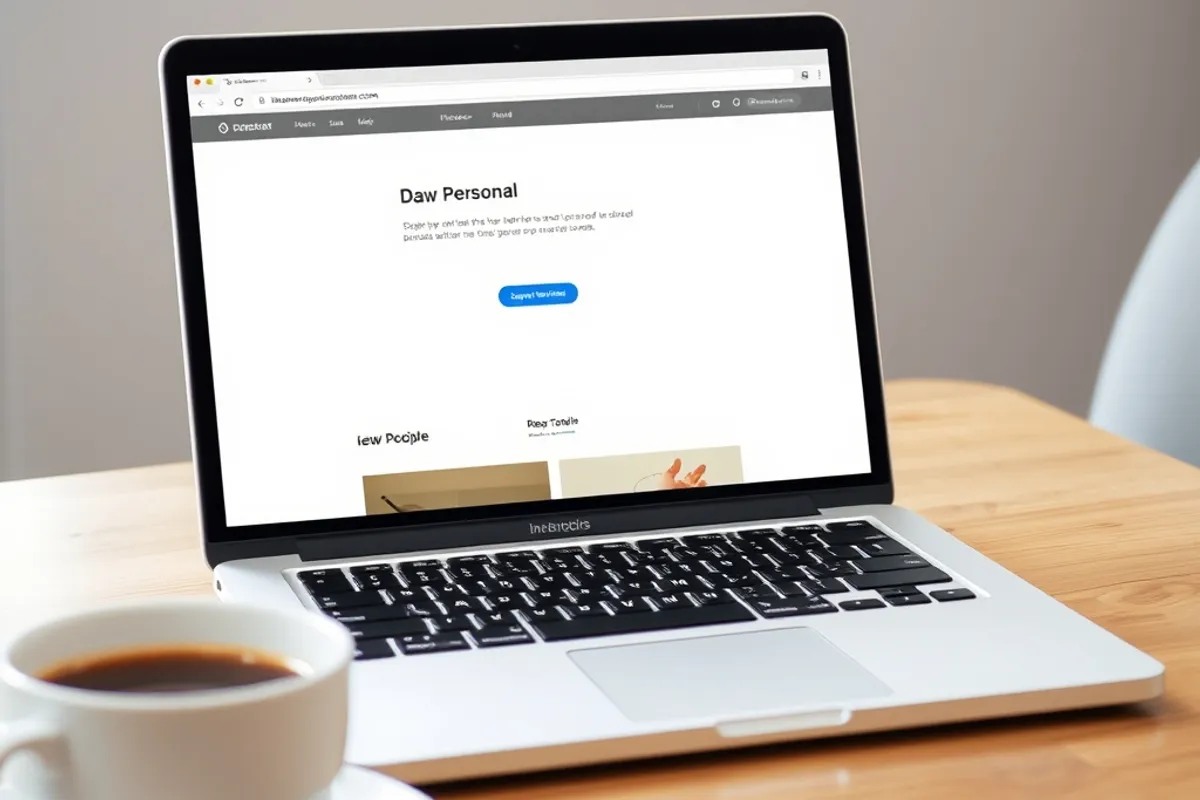
Good first projects include a personal site, a to-do app with local storage, a script that renames files, or a small tool that reads a CSV and produces a summary. Bad first projects include anything with payments, authentication for strangers, or a full marketplace. Those add infrastructure problems on top of learning problems, and infrastructure problems are not beginner lessons.
You learn to code by finishing things, not by starting them. A small finished project teaches more than a large abandoned one.
Reading Other People's Code
Reading code is a separate skill and it is trainable. Pick a small open-source project in your language, clone it, and trace one feature from the button click to the database call. Write down the files you touched and the questions you could not answer. Repeat with a different feature next week.
Use the project's issue tracker as a reading list. Look at a bug labelled "good first issue", read the discussion, and try to reproduce it before looking at the fix. You will learn how experienced developers reason, which is more useful than memorising another syntax cheat sheet. Contributing a documentation fix is a legitimate first pull request.
Using AI Without Losing the Skill
AI assistants are now part of normal development, and refusing to use them is not a virtue. The risk is using them to skip understanding. A useful rule: ask for an explanation before an implementation, then write the code yourself and compare. If you cannot explain a line, do not ship it.
Use the assistant for boilerplate, test cases and error messages you have already tried to read. Avoid it for the core logic of a learning project, because that is the part you are practising. When it produces code, ask why it chose that approach and what the trade-offs are. Treat it as a patient senior colleague, not an answer key.
When You Are Ready for a Job
You are closer than you think when you can build a small feature end to end, read unfamiliar code, and explain your decisions. A portfolio of three finished projects with short write-ups beats ten unfinished repositories. Include the problem, the trade-offs, what broke and how you fixed it. Employers can tell the difference between a tutorial clone and something you owned.
Prepare for interviews by practising explanations out loud, not by memorising puzzles. Most junior interviews test communication and debugging more than trivia. If your goal is a first role, read our guide to clean code habits that save your team time before you apply, because those habits show up in take-home tasks. For structured practice, the MDN learning area remains a reliable, free reference.
Six months of steady work will not make you senior. It will make you employable as a junior, and that is the honest promise worth making to yourself.