Every team says it values clean code. Few teams agree on what that means, and fewer still make time for it. The result is code that works today and costs a week to change next quarter. Clean code is not a style preference. It is the difference between a codebase that absorbs change and one that resists it.
Name Things Like the Next Reader Matters
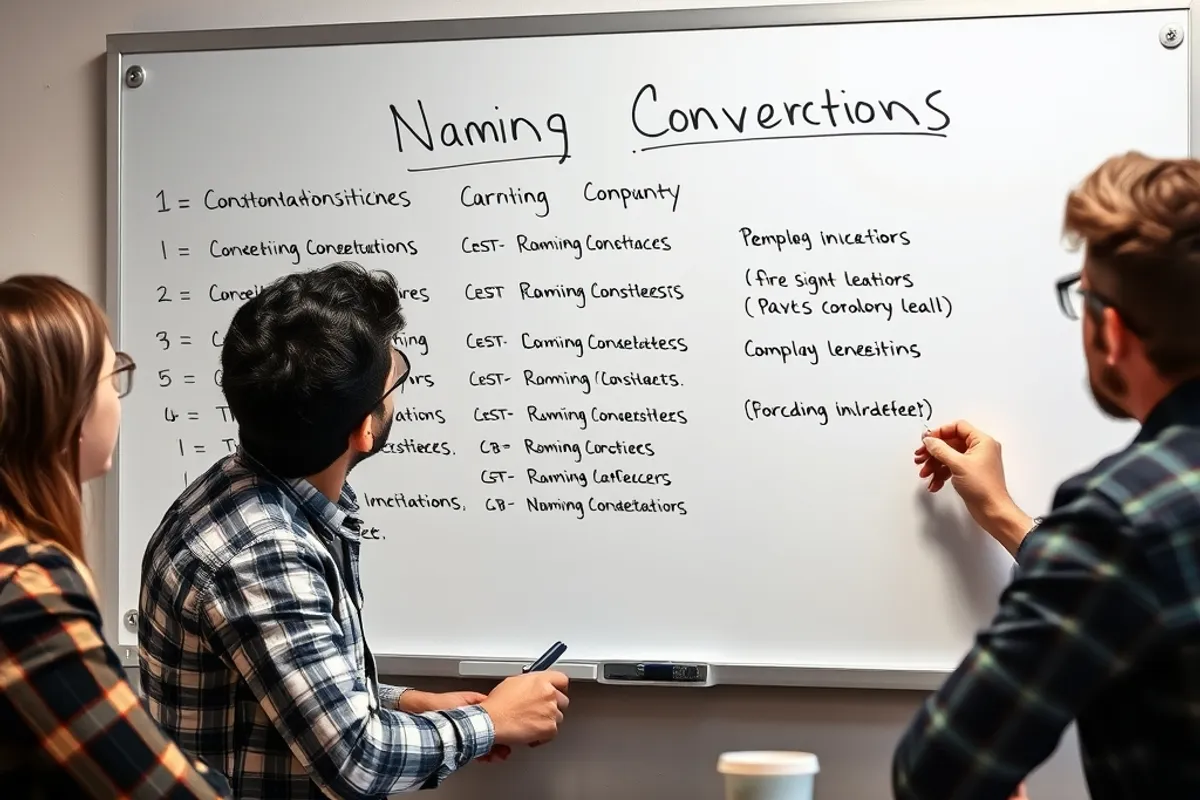
A good name answers two questions: what is this, and why does it exist. invoiceTotalCents is better than total, and retryFailedPayments is better than process. Names should be pronounceable, searchable and free of abbreviations that only the original author understands.
Avoid names that describe implementation instead of meaning. userList becomes wrong the moment it holds a map. activeSubscribers stays true. When a name is hard to choose, that is usually a signal that the function or variable is doing two jobs. Rename it and the design problem often becomes obvious.
Small Functions, Clear Boundaries
A function should do one thing at one level of abstraction. If you can describe it with "and", it probably needs splitting. Small functions are easier to test, easier to name and easier to reuse. The goal is not a line count; it is that a reader can hold the whole function in their head.
Keep boundaries explicit. Pass what the function needs instead of reaching into global state, and return a clear result instead of mutating a shared object. At module edges, validate input once and then trust it internally. Mixed responsibilities are where bugs hide, because nobody is sure which layer is supposed to enforce the rule.
Comments Explain Why, Not What
Code already says what it does. A comment should explain why the obvious approach was not used, or what constraint future editors must respect. "Retry three times because the vendor returns 503 during nightly maintenance" is useful. "Increment counter" is noise that will drift out of date.
Delete commented-out code. Version control remembers it, and a graveyard of old lines makes the live code harder to read. Keep a short module header when the file has non-obvious responsibilities, and link to the ticket or document that explains the context. If a comment is needed to explain a confusing block, consider simplifying the block first.
Write for the person who will debug this at 2am with no context. That person is usually future you.
Tests as Documentation
A good test suite describes behaviour in a language the whole team can read. Name tests after the scenario and the expected outcome, not after the function. rejects_expired_card_with_clear_message tells a new developer more than test_charge_3. Tests also protect refactoring, which is the only way a codebase stays clean over years.
Test the edges that actually break: empty input, permission failures, timeouts and duplicate submissions. You do not need one hundred percent coverage. You need confidence in the paths that cost money or lose data. When a bug escapes, add the test that would have caught it before you fix the code.
- Name tests after behaviour, not implementation
- Cover the failure paths that cost money or data
- Keep test setup short enough to read in one screen
- Run the suite locally before every push
- Treat a flaky test as a bug, not an inconvenience
Version Control Discipline
Small commits with clear messages make review and rollback possible. A commit should represent one logical change, with a message that explains the intent. "Fix checkout total rounding for multi-currency carts" is useful six months later. "Updates" is not.
Keep the main branch releasable. Use short-lived branches, rebase or merge deliberately, and avoid mixing formatting changes with behaviour changes in the same commit. Formatting noise hides real bugs in review. If your team argues about style, automate it with a formatter and spend the meeting on something that matters.
Reviews That Improve Code Without Stalling
A review is a conversation about the change, not a judgement of the author. Comment on the code, ask questions when intent is unclear, and distinguish blocking issues from suggestions. Prefix non-blocking notes so the author knows what must change before merge.
Keep pull requests small enough to review in under an hour. Large reviews get skimmed, and skimmed reviews let bugs through. Review the tests as carefully as the implementation, and check that the change matches the ticket. If a review turns into a redesign, stop and discuss the approach in a short call before more code is written.
Refactoring on a Schedule
Refactoring is maintenance, not a special project. Reserve a small slice of every iteration for removing duplication, renaming unclear code and deleting dead paths. The boy scout rule applies: leave the file a little better than you found it, without turning a bug fix into a rewrite.
Measure before and after. Track the time it takes to change a common feature, the number of files touched, and the failure rate of deployments. Those numbers tell you whether the codebase is getting healthier. If you are still learning the basics, our guide to learning to code in 2026 covers the habits to build from day one, and good dashboard design shows the same clarity principle applied to data.
Clean code is a team agreement renewed every sprint. The payoff is not elegance. It is fewer late nights, faster onboarding and changes that do not require courage.