Pricing is the most consequential decision in a digital product business and the one most often made by guessing. Charge too little and you attract customers who do not value the work, then burn out supporting them. Charge too much without proof and nobody buys. The useful question is not "what is it worth" but "what changes for the buyer, and what is that change worth to them".
Why Cost-Plus Pricing Fails
Cost-plus pricing adds a margin to the hours you spent building. It feels fair and it usually produces the wrong number. A template that took a weekend to make might save a buyer twenty hours a month. A course that took six months might solve a problem nobody urgently has. Cost says nothing about either outcome.
Digital goods also have near-zero marginal cost, so the economics of the hundredth sale differ completely from the first. Price on the value delivered and the alternative the buyer would otherwise choose. If the alternative is a $2,000 consultant, a $200 template is cheap. If the alternative is a free spreadsheet, the same template needs a much clearer promise.
Anchor to the Outcome
Write down the outcome in the buyer's words, then estimate what it is worth. Saving ten hours of work at a $40 hourly rate is $400 of value. Reducing a refund rate by two percent might be worth thousands. You do not need a precise figure; you need a defensible range that you can explain on the sales page.
Name the alternative too: hiring someone, doing it manually, or living with the problem. Your price should sit comfortably below the cost of the alternative and clearly above the cost of doing nothing. When the value is hard to quantify, anchor to time saved or risk avoided, and show the calculation.
Tiers and the Middle Option
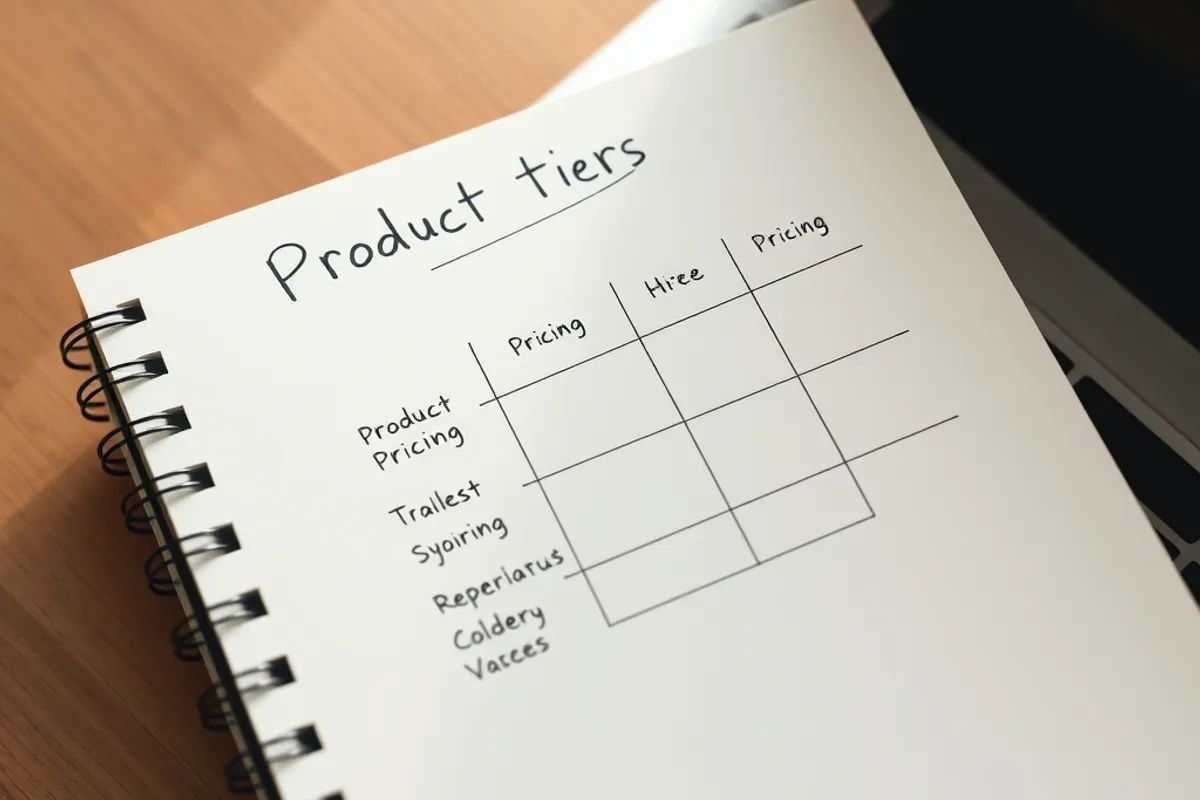
Three tiers work because they give the buyer a frame of reference. A basic version for people who need the core outcome, a standard version with the most useful extras, and a premium version for teams or people who want support. Most buyers choose the middle, so put your best value there.
Make the differences obvious and concrete. "Standard includes the template pack plus the setup video" is clearer than "Standard is our most popular plan". Do not create tiers that differ only by a number. Each tier should serve a distinct buyer with a distinct job to be done.
- Three tiers: core, best value, and supported or team version
- Price the middle tier for the buyer you most want
- Make every difference concrete and easy to compare
- Keep the entry tier genuinely useful, not deliberately crippled
- Review the tier mix every quarter using real sales data
Launch Pricing Versus Permanent Pricing
Launch discounts reward early buyers for taking a risk. They are legitimate when the product is new, the feedback is valuable and the discount has a clear end date. They become a problem when the "launch" never ends, because buyers learn to wait and the full price loses credibility.
Decide the permanent price before the launch and write it down. If you plan to raise it after the first cohort, say so and honour the date. Keep a simple record of what you charged and when, so support conversations and refunds are consistent. A price that changes every week signals that you are guessing.
A discount is a reason to buy now. If there is always a discount, there is never a reason.
Discounts, Coupons and Refund Policy
Use discounts for a specific purpose: a launch, a bundle, a student rate or a win-back campaign. Track the revenue each code produces, not just the number of uses. A code shared on a coupon site can bring buyers who never intended to pay full price and who refund at a higher rate.
Write a refund policy that is generous enough to reduce risk and strict enough to be sustainable. A fourteen-day window is common for digital products. State clearly what is refundable and how to request it. A clear policy increases conversion more than it increases refunds, because it removes the buyer's fear.
Payment Fees and True Margin
Work out your true margin after payment processing, platform fees, taxes and support time. A $49 product with a 3% processor fee, a 5% platform fee and fifteen minutes of support is not a $49 product. Multiply by your expected volume and check whether the business can fund itself.
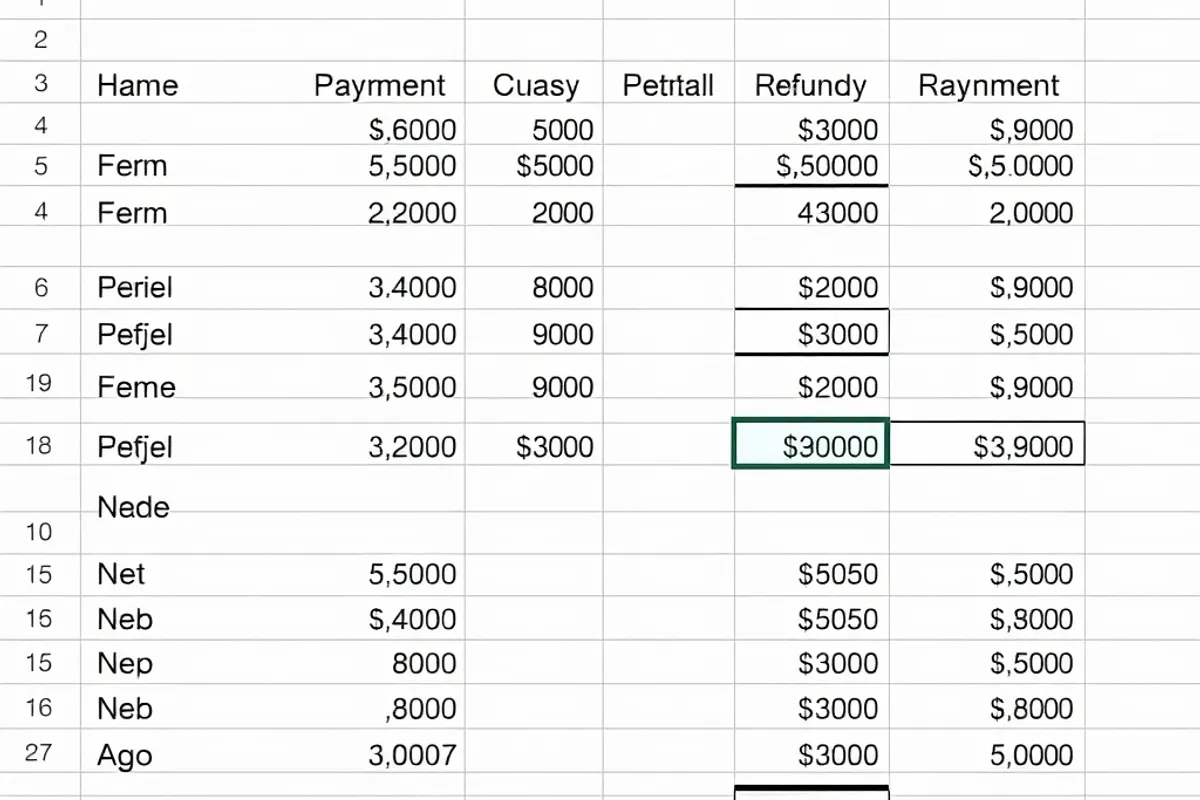
Keep a simple unit economics sheet for each product: price, fees, refund rate, support minutes and net revenue per sale. Update it monthly. If a product is popular but unprofitable, raise the price, reduce support or retire it. Our guide to starting an online business covers the cost side in more detail.
Raising Prices Without Losing Customers
Raise prices when the product has improved, demand exceeds capacity, or the current price attracts the wrong customers. Tell existing customers in advance, give them a window at the old price, and explain what has changed. Most people accept a clear, fair increase; they resent a silent one.
Grandfather loyal customers for a period if you can afford it. It costs little and buys goodwill. After the change, watch conversion and refunds for a month before deciding whether the new price is right. If you are still writing the sales page, read writing email campaigns people actually open so the offer is explained as clearly as it is priced.
Good pricing is a hypothesis you keep testing. The goal is not the highest number. It is the price that lets you deliver well, support the buyer properly and stay in business long enough to improve.