Email is still the highest-return channel for most small businesses, and it is also the easiest to ruin. One purchased list or one missing authentication record can send every future campaign to spam. The foundations are unglamorous, and they are the whole game.
Why Email Still Wins in 2026
Social platforms change their reach whenever they like. An email list is the only audience you can contact directly, without an algorithm deciding who sees it. It is also portable: if you change platforms, the list comes with you. That combination of direct access and ownership is why email remains the backbone of online business.
The catch is that the inbox is defended. Providers judge every sender on consent, engagement and technical reputation. You cannot shortcut that with clever copy. You earn the inbox by sending mail people asked for, from a domain you have configured properly, to a list you keep clean.
Build a List You Are Allowed to Email
Consent means an affirmative action: a form submission, a checkbox, a purchase with a clear opt-in. Pre-checked boxes, scraped addresses and purchased lists are not consent, and in many jurisdictions they are illegal. Keep a record of when and how each subscriber joined, because you may need to prove it.
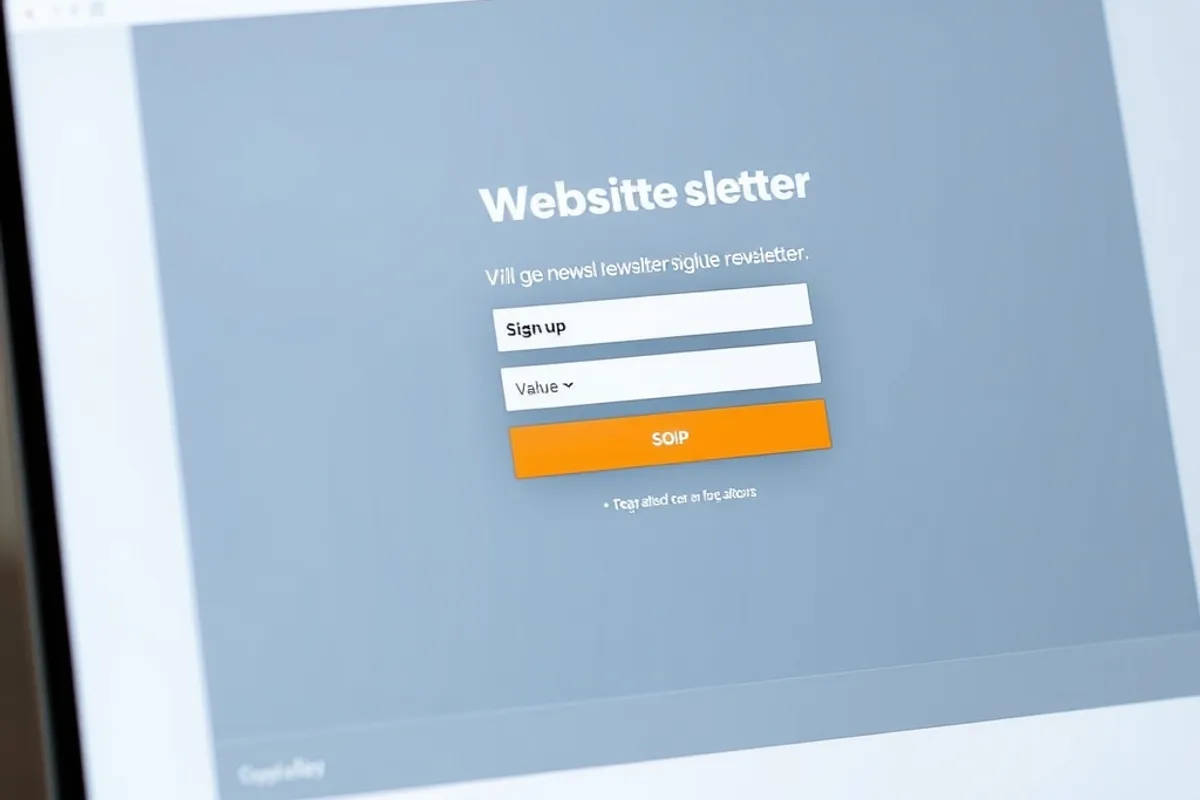
Make the value obvious at the point of signup. "Weekly one-page guide on analytics" converts better than "subscribe to our newsletter" because it tells the reader what arrives and how often. Use double opt-in if your list is new or your region requires it; it reduces list size and dramatically improves engagement.
- Never buy, rent or scrape an email list
- Record the source, date and consent text for every subscriber
- Use double opt-in for new lists and regulated regions
- Send your first campaign only after authentication is verified
- Keep the unsubscribe link visible and working in every email
Set Up Authentication Before Your First Send
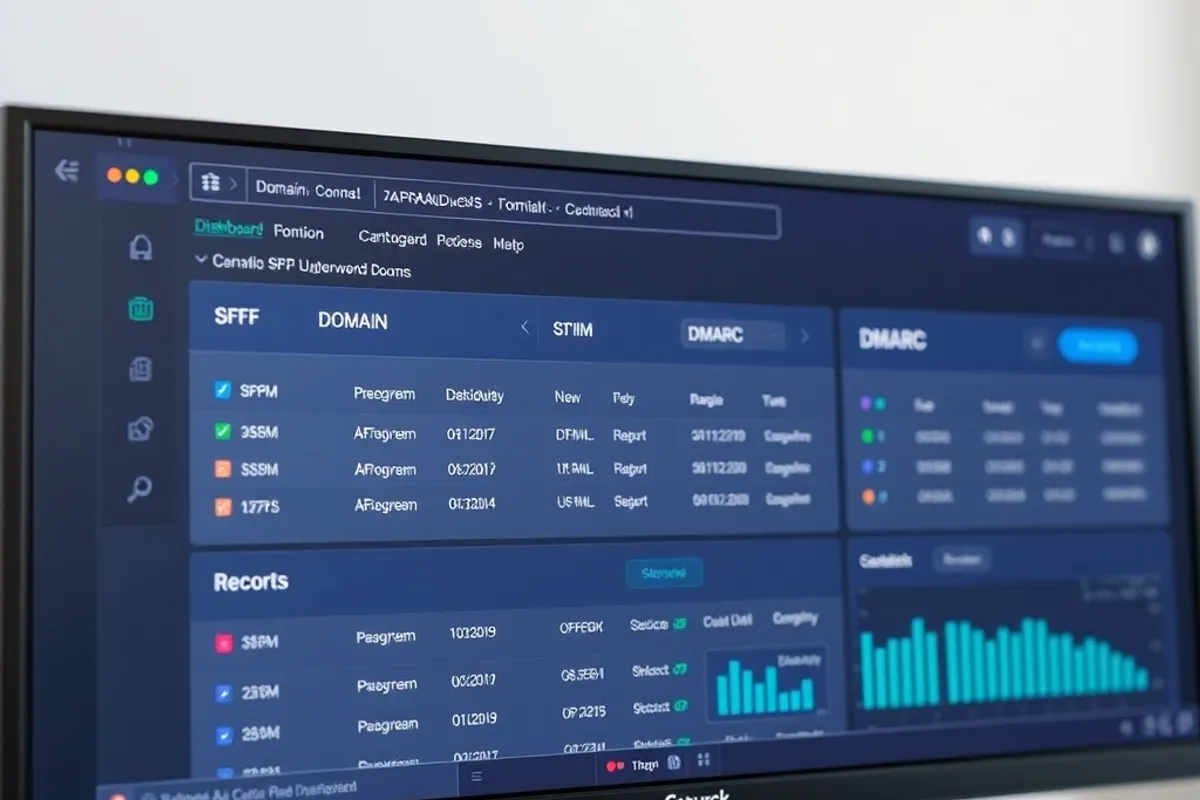
Three DNS records decide whether providers trust your domain. SPF lists the servers allowed to send for you. DKIM adds a cryptographic signature to each message. DMARC tells providers what to do when a message fails those checks and gives you reports on abuse. Set all three before you send anything at volume.
Use a subdomain for marketing, such as mail.yourdomain.com, so a reputation problem does not affect your main business email. Verify the records with your provider's checker and send a test to Gmail, Outlook and a corporate address. DMARC reporting is noisy at first, but it is the fastest way to find something sending as your domain without permission. The Cloudflare DMARC explainer is a readable starting point.
The Welcome Sequence
The first three emails do most of the relationship work. Email one delivers the promised value immediately and sets expectations. Email two shares a useful story or a common mistake. Email three offers a small, relevant next step. Keep each one short and send them over the first week, not all at once.
Write the sequence once and improve it every quarter. New subscribers see it far more often than existing readers see any single campaign, so a small improvement compounds. Track replies, clicks and unsubscribes. A welcome email that gets replies is a strong signal that the promise matched the audience.
Permission opens the inbox door. Relevance is what keeps it open.
List Hygiene and Engagement
Remove hard bounces immediately and stop mailing addresses that have not opened anything in twelve months. Most platforms can do this automatically. A smaller engaged list delivers better than a large indifferent one, because providers weigh engagement when deciding where your message lands.
Run a re-engagement campaign before you delete long-term inactive subscribers. One honest email asking whether they still want to hear from you often recovers a useful share. Those who do not respond should be removed. Keeping them costs deliverability and gives you nothing in return.
Metrics That Matter
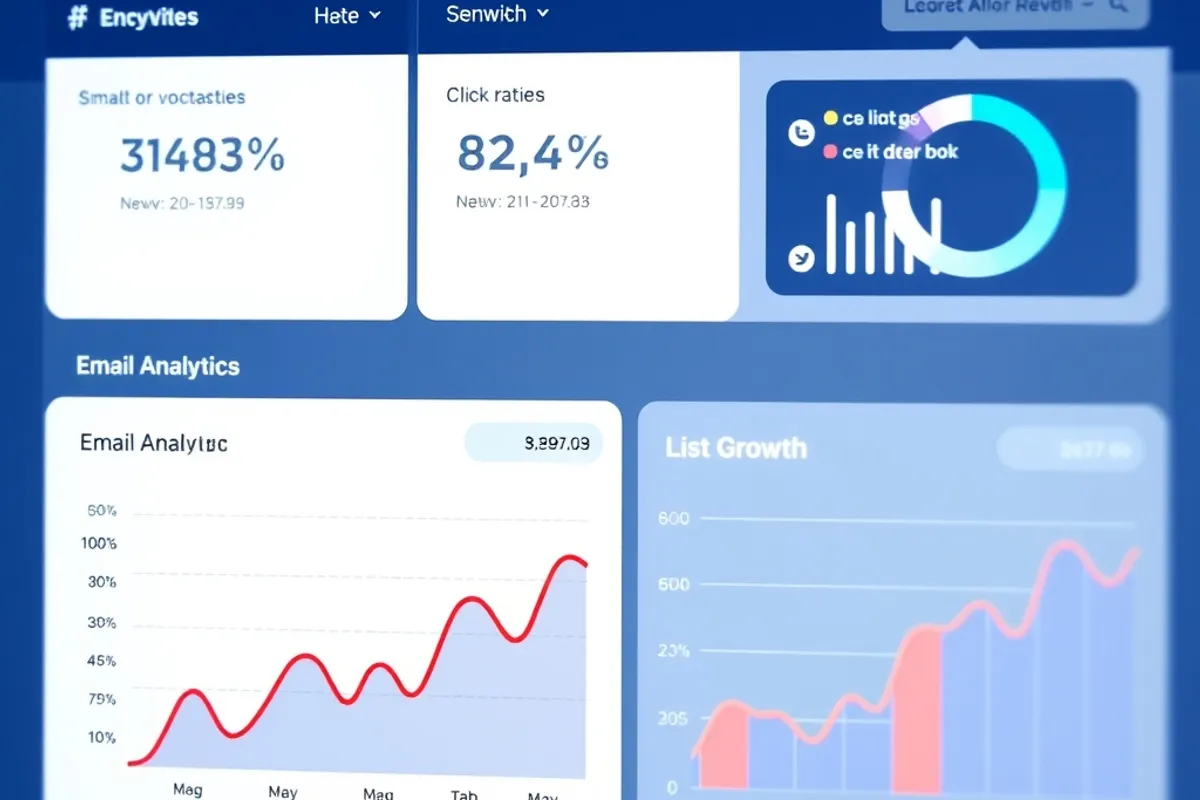
Open rates are increasingly unreliable because of privacy features that pre-load images. Treat them as a directional signal, not a precise number. Click rate, reply rate, conversion and revenue per email are more honest measures of whether the campaign did a job.
Watch list growth and churn together. Adding two hundred subscribers while losing one hundred and fifty is not growth. Track complaints per thousand sends, because a rising complaint rate is the earliest warning that your content or frequency is wrong. Set a threshold and pause sends if it is crossed.
Choosing a Platform and Budget
Pick a platform that matches your list size and the automation you actually need. Most small lists run comfortably on a free or low-cost tier. Compare the price at your expected size in twelve months, not today, and check what happens to your data if you leave. Exportability matters more than a prettier editor.
Test the deliverability of any new platform with a small segment before migrating everything. Keep your sending domain and authentication records intact during the move. If email is part of a wider online business, read our guide to starting an online business in 2026 for the surrounding costs. Then improve the writing itself with writing email campaigns people actually open.
Foundations are boring by design. Once they are in place, you can spend your energy on the message instead of wondering why nobody received it.